
绳缚安全:神经与血液循环的区别及不可忽视的预警信号
Rope is a language of tension, breath, stillness, surrender. And like any powerful language, it asks for craft. In rope bondage and Shibari, one of the most serious risks isn't what looks dramatic — it's what arrives quietly: nerve compression.
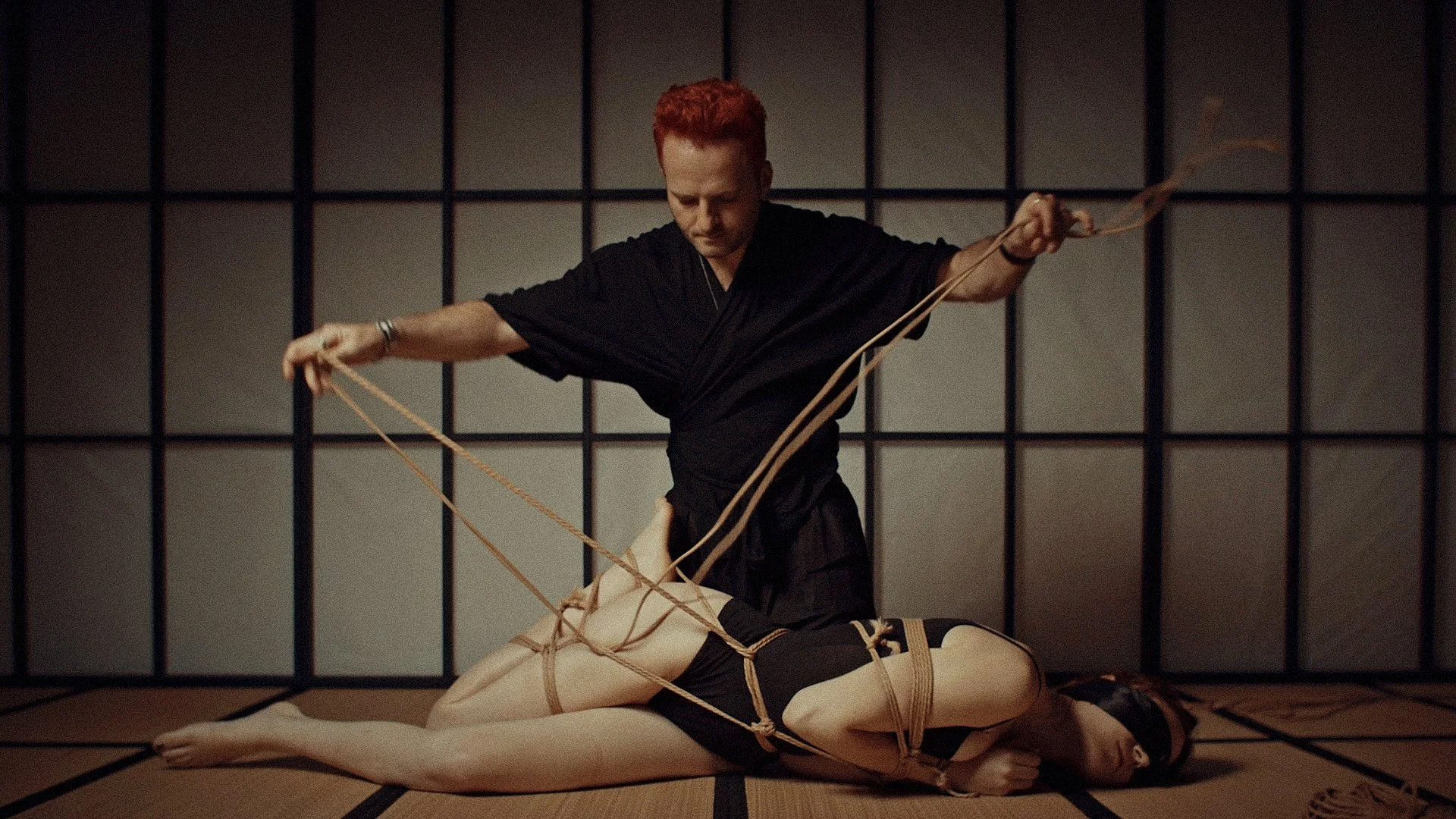
This article is a practical, readable safety guide to nerves versus circulation, the warning signs, and the exact response protocol we recommend for safer rope. One-sentence takeaway: the safest rope is the rope where you can go deep — and still feel, move, and come back whole.
If circulation changes, coldness, color shift and swelling mean increase attention. Typical nerve symptoms — tingling, burning, numbness, weakness — mean act immediately. Motor or muscle weakness such as loss of grip or movement is a red flag: pause and remove pressure now. If you're choosing what to prioritize, prioritize nerve symptoms.
Circulation issues mean blood isn't moving well through the limb. It shows up as a whole hand or foot getting colder, overall color change, swelling or puffiness, and slower capillary refill. The pattern is more global and often more gradual. It can become serious if extreme or long-lasting, but it is usually more visible and gives you time to react. In rope it tells you that the limb is getting stressed and that you should reduce time or tension.
Nerve issues mean a nerve is being compressed, stretched, or stressed. They show up as tingling or pins and needles, burning or electric sensations, a numb patch often in specific fingers or a strip of skin, and weakness such as loss of grip, clumsy fingers, or trouble moving. The pattern is more local and can be sudden. Nerve injury carries higher urgency because it can happen without dramatic visuals and the damage can last. The trap is that a limb can look fine while a nerve is being compromised, and nerve symptoms can escalate quickly. Circulation can look intense while nerve injury can be silent.
Treat the following as urgent: tingling or pins and needles; burning, sharp, electric sensations; numbness, especially localized to certain fingers or a patch of skin; and weakness or loss of control. Important: nerve issues don't require pain. 'It doesn't hurt' is not proof it's safe. Tingling, numbness, and weakness are not normal rope feelings — they're stop signs.
Nerve risk typically comes from three sources. Direct compression happens when pressure sits too close to a nerve pathway or concentrates into a narrow line. Indirect stress comes from positioning, joint angles, torsion, or load even when rope placement looks correct. Reduced oxygen supply happens when prolonged pressure affects blood flow enough that nerve tissue is affected too. Bodies vary, anatomy varies, sensitivity varies — you cannot one-size-fits-all this. Rope safety isn't memorizing rules; it's reading a real body in real time.
Five risk multipliers work as a simple safety compass in any tie: location (more vulnerable areas mean more risk), time (longer duration means more risk), tension and load (more pressure means more risk), rope width (narrower bands create hotspots), and pressure cleanliness (twists, overlaps, and uneven tension concentrate force). This is why experienced tying looks clean — not just aesthetically but functionally. Risk rises with time, tension, narrow lines, and messy pressure.
Visual checks are helpful but not sufficient. Circulation issues often affect a whole hand or foot, while nerve issues often affect a specific area, sometimes suddenly. The gold standard is function: what do you feel, and what can you move? Don't only watch the skin — test sensation and movement.
When something changes, competence shows up in the response. Pause immediately and focus on your partner, not the performance. Remove pressure now by loosening or removing the rope involved; don't wait and see. Check function by asking what exactly they feel and where, then test opening and closing the hand, wiggling fingers, and flexing wrist or ankle. If it doesn't improve quickly, remove more rope and end the tie — when in doubt, simplify fast. If there is weakness, escalating pain, or persistent symptoms, seek medical care; nerve issues are time-sensitive.
A two-minute ritual can make rope safer and deeper. Safety doesn't kill intensity; it builds trust and trust builds surrender. Before tying, agree on signals — yellow means slow down, red means stop now — and do a base****** of how the fingers and toes feel, plus a quick mobility test. During tying, ask about tingling, burning, or numb patches and where exactly they are. A quick touch test compares left and right: a specific area that feels different, dull, zappy, or absent is a red flag, so adjust early. For mobility, ask the model to open and close the fist, spread fingers, make an OK sign, wiggle toes, and flex the ankle. Weakness, clumsiness, or loss of control means stop and remove pressure immediately. After tying, recheck sensation and movement, and treat anything off as information to learn from.
Is numbness in shibari dangerous? It can be: localized numbness, tingling, burning, or weakness can indicate nerve compression and should be treated as urgent. To tell circulation loss from nerve compression, remember circulation affects a whole hand or foot while nerve symptoms affect specific fingers or patches and can appear suddenly; treat nerve signs as higher priority. The biggest controllable safety factor is pressure hotspots — narrow lines, uneven tension, twists and overlaps, and too much load or time all increase risk, while wide, even tension and efficient tying reduce it.
We don't chase intensity by ignoring risk. We build intensity through skill: clean tension, clear communication, and the ability to respond ****** The goal isn't only a tie that looks beautiful, it's rope that rema****** after the ropes come off. Risk-aware rope is what makes depth repeatable.