
绳缚安全完整指南:从共担责任到神经与循环检查
Before you embark on your journey of rope bondage, we believe it is necessary to provide you with a safety lesson. This is to ensure you have a safe and enjoyable rope experience in the future.
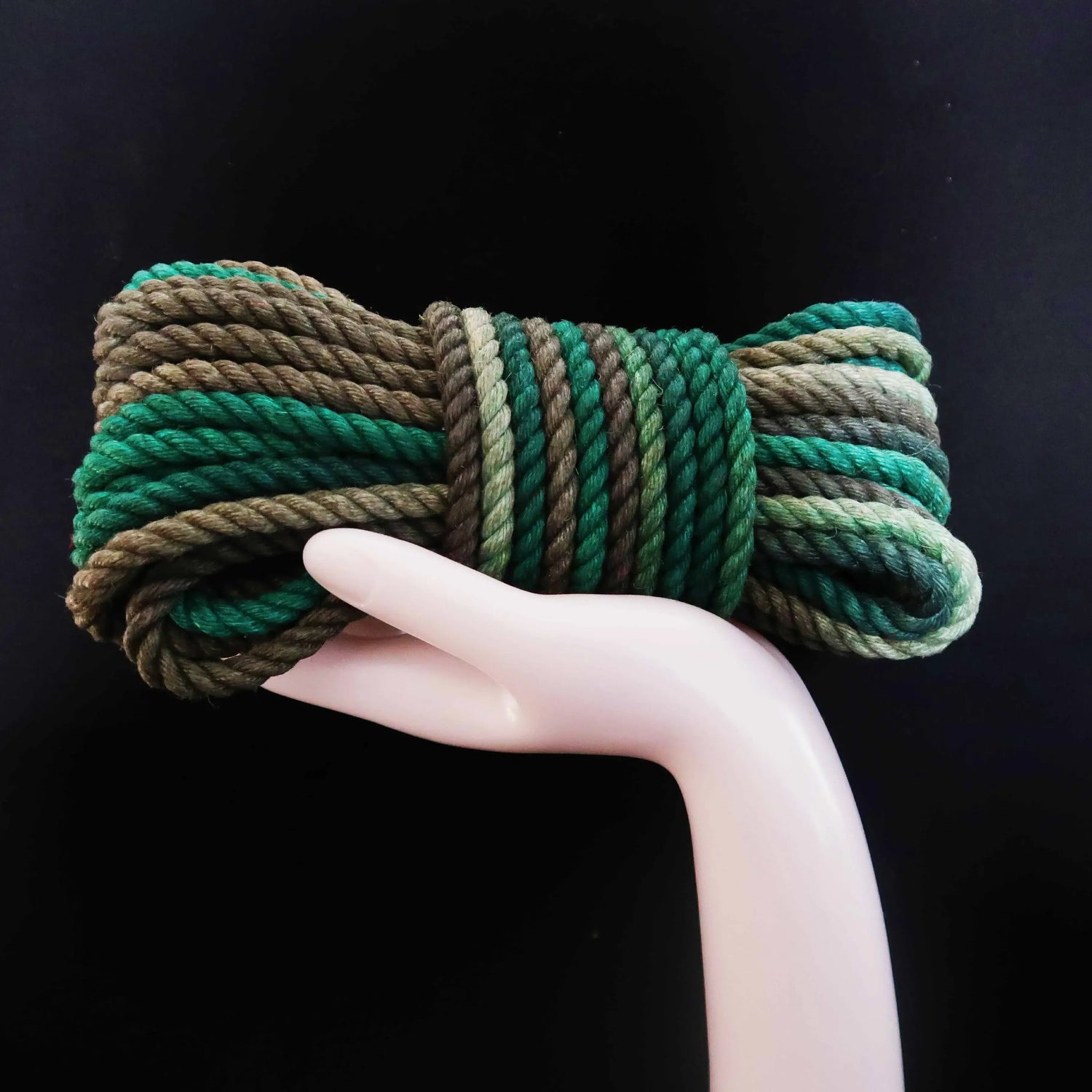
1. Safety First: Shared Responsibility. Rope bondage is never risk-free. Our goal is to reduce and manage risks. Everyone, top or bottom, is responsible for their own safety. If you're the bottom, read the rigger safety section, learn to spot skilled riggers, and understand the risks before surrendering control. If you're the top, read the bottom safety section, stay within your skill level, and find mentors to grow. Never stop learning: this guide is a starting point, not your only resource. Great teachers offer unique ******, new safety info can come from anywhere, so stay open, adapt, and share updates.
2. Body and Health Awareness. Medical risks are real. Gentle ties that are loose and adjustable carry lower risk; tight or immobilizing ties carry high risk because ropes can tighten if you struggle. Injuries can happen and nerve damage may build up over time, so speak up immediately if something feels off.
Nerve and circulation checks should be constant. Check skin warmth before and during scenes and know your partner's normal. Use a grip test: have the bottom squeeze your fingers; a weak grip means untie now. Tie wrists and ankles last because they're injury-prone, and adjust if posture changes. Hot spots to protect include the radial nerve on the outer arm (numbness — move rope immediately), the brachial plexus at the shoulder and armpit (arm numbness — avoid knots there and test poses first, for example arms behind the back for ten minutes), the wrists (nerve damage — avoid the inner wrist and keep one to two fingers' space), the femoral artery on the upper thigh (leg circulation loss — keep two fingers' space under ropes), and the neck (brain damage or death — never press rope against the front of the neck). The waist is a particularly sensitive area; during suspension, always prioritize the hips for weight-bearing, which improves both support capacity and comfort.
Special conditions matter. With fibromyalgia, pain sensitivity varies, so ask about triggers and limits. Asthma, heart problems, diabetes, and past injuries should all be discussed. For impact play, safe zones are large muscles such as butt, thighs, and back; the danger zone is the kidneys in the lower back, where strikes can cause internal bleeding. Always negotiate first and start gently. Use barriers for any sexual contact.
3. For Riggers: Your Duty of Care. Mindset matters. Once tied, the bottom relies entirely on you. Never tie if you're tired, drunk, or high. Check your ego: master basics before complex ties and find mentors. Respect limits because boundaries are sacred and breaking trust ru****** Never leave a tied person alone. Aftercare is mandatory — help them land emotionally and physically; some prefer solo time, so negotiate this first.
Know your partner. Agree on clear safe words or signals such as RED, shaking keys, or three loud grunts. Talk openly about desires and fears. Do a health check about old injuries, flexibility, pain triggers, and mental health such as past trauma. Watch breathing, since changes ****** or distress.
Rope safety rules: keep EMT shears or a hook knife nearby and practice cutting tense rope, prioritizing safety over saving rope; shorter ropes are easier to escape. Before tying, ****** ropes for wear and dirt, clean ropes after body contact, and hydrate and snack. During tying, never use slip knots because they tighten on their own; tie in the final position because movement changes rope tension; avoid knots on the spine, especially when lying down, or in the armpits.
4. For Bottoms: Self-Advocacy Saves Lives. Know your limits and tell your top about your wants and curiosities, your hard limits, physical conditions such as not being able to bend your elbows past ninety degrees, and emotional triggers. Speak up: share health information before scenes and report numbness, pain, or breathing changes immediately ****** of toughing it out. Trust your top but vet them carefully. Build fitness, since strength and flexibility make play safer, and warm up. Protect yourself by covering your face if the top fumbles rope ends. Accept aftercare as part of the process, and speak up if you need space.
5. Negotiation and Real-World Safety. Discuss health (any medical issues, how flexible are you), intimacy (what contact is okay, how you feel about rope marks), mindset, and aftercare (how you want to be untied, what aftercare you need, how long). Stay street-smart: verify partners and demand references from trusted community members — no vetting, no play. Tops should watch for bottoms who hide health or mental issues; bottoms should avoid tops who disrespect boundaries or overestimate their skills. Meet first at public events such as munches and workshops, play initially in group spaces, and for private meets tell a friend and set check-in calls.